
Why Losing Weight in Midlife Feels So much harder
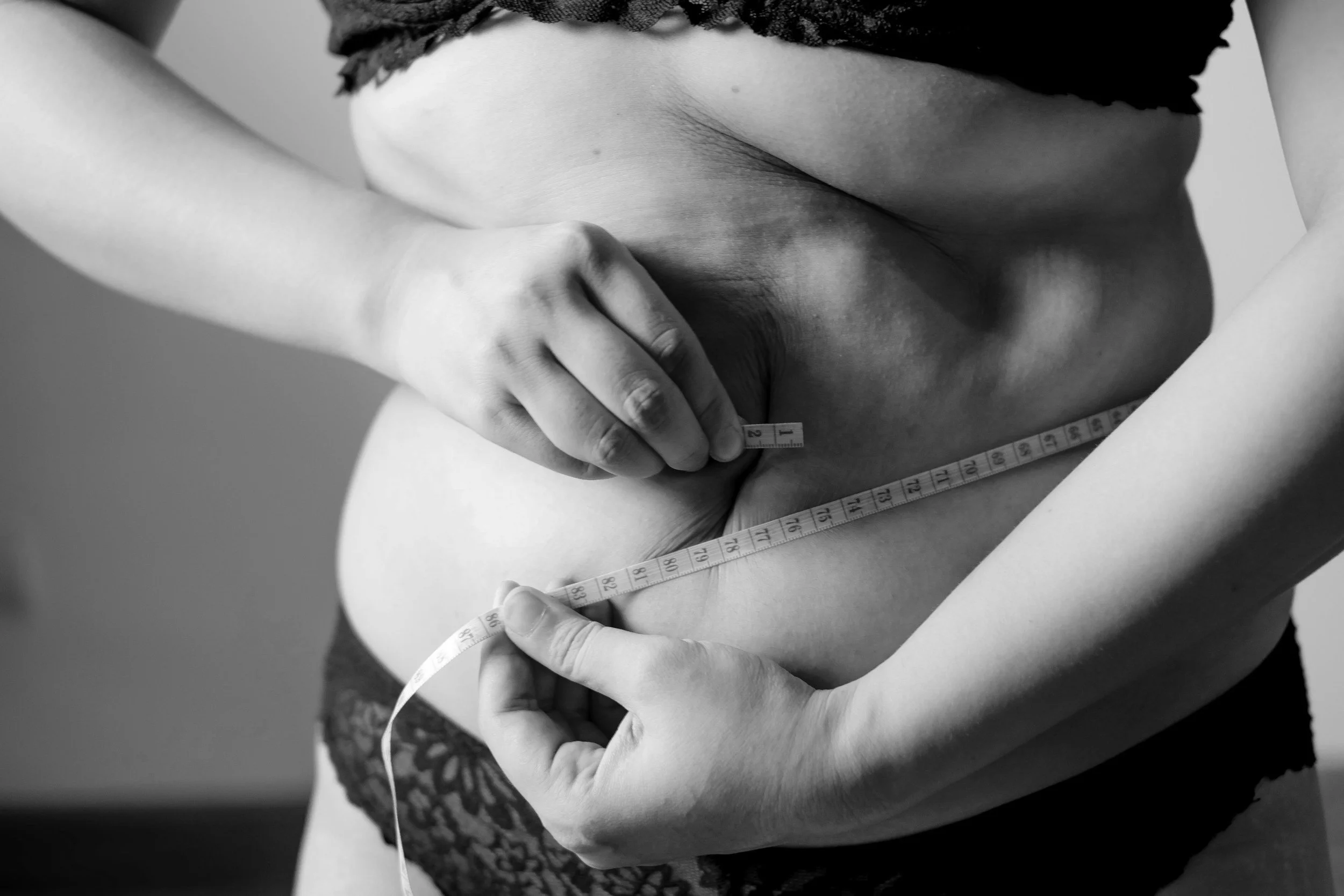
Let’s be real…
When the jeans start feeling tighter and the scale won’t budge, it’s easy to think, “What’s wrong with me?”
You’re eating healthy. You’re moving. You’re doing the same things that worked in your 30s and yet, nothing’s changing.
Here’s the thing: it’s not you. It’s what’s happening inside your body.
Your Hormones Have Shifted and That Changes Everything
When estrogen and progesterone start dropping (thank you, perimenopause), your body starts reacting differently to food, stress, and exercise. You might notice you don’t bounce back from workouts as quickly. You might feel like your usual eating habits aren’t “working” anymore. And that muscle you used to have? Well, it starts to fade unless you work to keep it.
So even if you’re eating the same way, your body’s needs aren’t the same anymore. Cutting more just doesn’t work now, it’s time to learn how to fuel and train in a way that supports what’s changing.
Eat Less, Move More” Isn’t Cutting It Anymore
That advice used to work because your metabolism was running on more muscle and higher hormones.
NOW! Eating too little can actually make things worse. Your body starts saving energy instead of burning it. Say hi to fatigue, cravings, and stubborn fat. Many women I work with aren’t overeating. They’re under-fuelled and under-muscled from years of dieting and cardio-only routines. When you start fuelling your body properly and lifting to rebuild that muscle, your metabolism wakes up. Energy, recovery, and results all improve.
Muscle Loss Is a Sneaky Culprit
We lose muscle faster than we realize (especially after 40). And since muscle burns more calories at rest, losing it means your body doesn’t need as much food to maintain weight. That’s why “doing more cardio” often backfires. You burn energy in the short term, but you’re not building the muscle that actually keeps your metabolism strong.
So what helps?
Strength training. Not random high-rep burnout sessions, but lifting progressively heavier over time - challenging your body to get stronger. Muscle isn’t just about looks. It supports your metabolism, shapes your body, improves insulin sensitivity, and helps balance hormones, all the things that matter even more in midlife.
Stress and Sleep Matter More Than You Think
You can be eating perfectly and still feel stuck if your stress and sleep are a mess. When you’re constantly running on empty, cortisol stays high and that’s when belly fat, cravings, and irritability creep in. Some nights of poor sleep won’t ruin you. But weeks of it, your body feels the impact (trust me)!
If you’re exhausted, start there before changing anything else.
You Don’t Need More Willpower - You Need Better Information
Weight gain in midlife doesn’t mean you’ve lost control. It means your body has changed, and the old “rules” don’t apply anymore. Once you understand that, you stop fighting it. You train to keep muscle. You eat to support energy. You rest when your body needs it. It’s not time to give up, it’s time to get smart about it.
A Few Things That Actually Help
Aim for 25–30g of protein at each meal
Strength train 3–4 days a week
Walk daily (not for fat loss, but for health)
Get your sleep in check
Eat enough to fuel your workouts
These might sound basic to you, but when you do them consistently, they change everything. Your energy, your mood, your shape, all of it.
“Aging is not lost youth but a new stage of opportunity and strength.”
If you want more details on how to eat for your 40s and 50s, check out this post: What I Wish I Knew About Nutrition in My 40s
Or grab my free guide - Strong & Balanced Macros to learn how to fuel your body without restriction.