
Heading Into January Without a Plan? Read This First

It’s almost January again, which means…
Everyone starts thinking about their fitness and nutrition once again.
New goals. A fresh start. This will be the year it finally sticks.
The new year brings a clean slate and fresh motivation. The intention is real. The effort is real and for a few weeks, things feel amazing - then motivation fades. Progress slows down (or at least it feels like it does). The scale doesn’t move the way you hoped, workouts feel harder than expected and life starts to interrupt the routine you were just getting into.
And this is usually where things begin to go south.
Not because you stopped caring.
Not because you didn’t try hard enough.
But because no one prepared you for what happens after motivation wears off.
This is what happens any time someone decides to change their habits without understanding how consistency actually works.
Why the Basics Feel Harder Than Expected
You know the basics. That’s not the issue.
Eat better.
Strength train.
Get your steps in.
Sleep more.
Drink your water.
On paper, it’s simple. In real life, it’s repetitive. The basics don’t feel exciting, and they don’t come with instant feedback that you’re doing everything right and that’s where frustration sets in.
There’s an expectation that effort should produce fast results. When it doesn’t, you assume something must be wrong. The plan isn’t working. I should be doing more, or doing something different.
In most cases, nothing is wrong. You’re just in the phase where patience matters more than intensity.
Motivation Isn’t the Problem. Expectations Are.
Motivation is useful. It gets you started. It helps you commit. It gives you that initial push.
But motivation will never last forever.
What most women struggle with isn’t a lack of drive. It’s the expectation that motivation should stay high and results should come fast. When neither of those things happens, doubt takes over.
You start questioning your choices instead of sticking with them, you start looking for signs that it’s “working” instead of focusing on showing up. You start thinking you’ve failed, when really, you’ve just reached the part where consistency matters most.
Progress starts quietly. Strength grows before your body looks different. Habits form before your confidence does. So, if you only count immediate results, you'll miss real progress.
What Actually Keeps People Going
The women who see results aren’t motivated all the time. They make decisions before motivation disappears.
They decide what matters and treat it as non-negotiable.
That might look like:
If your steps are low get a walk in after dinner instead of writing the day off. For some people, making walking easier at home is what keeps it consistent, especially on busy or low-energy days.
Keep your meals simple and repetitive so you don’t scrap everything because it’s not perfect
Show up for a workout and modify instead of skipping
This isn’t about being rigid or extreme. It’s about removing unnecessary decisions. When the plan is clear, you don’t need motivation to follow through.
The Pattern That Pulls People Off Track
One of the biggest reasons women lose momentum isn’t lack of effort. It’s overthinking.
Overthinking your workouts.
Overthinking your food choices
Overthinking results after a week or two.
That mental back-and-forth creates inconsistency. Inconsistency creates frustration. And frustration convinces you to quit before results have time to show up.
You don’t need more information. You need fewer questions.
A clear plan, followed consistently, will always outperform a perfect plan that’s constantly being second-guessed.
What Actually Creates Change
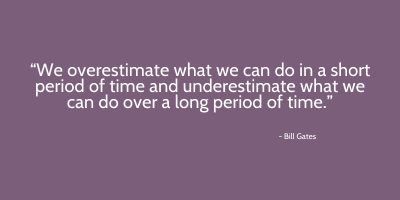
Change doesn’t usually come from doing something new. It comes from staying with something long enough for it to matter.
That’s the part most of us underestimate.
The early phase feels productive because everything is different. The middle feels harder because nothing is changing on the surface. That doesn’t mean progress has stalled. It means the work has shifted from visible effort to the part that is quietly adding up.
This is where routines start to settle in. You are still choosing the habits, and you are still being intentional about them.
They don’t feel automatic, but they feel familiar. You know what you’re supposed to do, and you do it more often than you don’t. This is what reduces that mental load. Less time deciding and more time following through.
It all adds up, not all at once, and not in a way that’s easy to track day to day, but in ways that will last.
Consistency is easier when you’re not doing it alone.
If you want accountability and a clear plan, learn more about my online coaching HERE.