
Why Lifting Heavy After 40 Is Safer Than Not Lifting at All
I hear this all the time from women in their 40s and 50s.
“I think I’m too old to start lifting weights.”
“I don’t want to hurt myself.”
“I should probably stick to light weights now.”
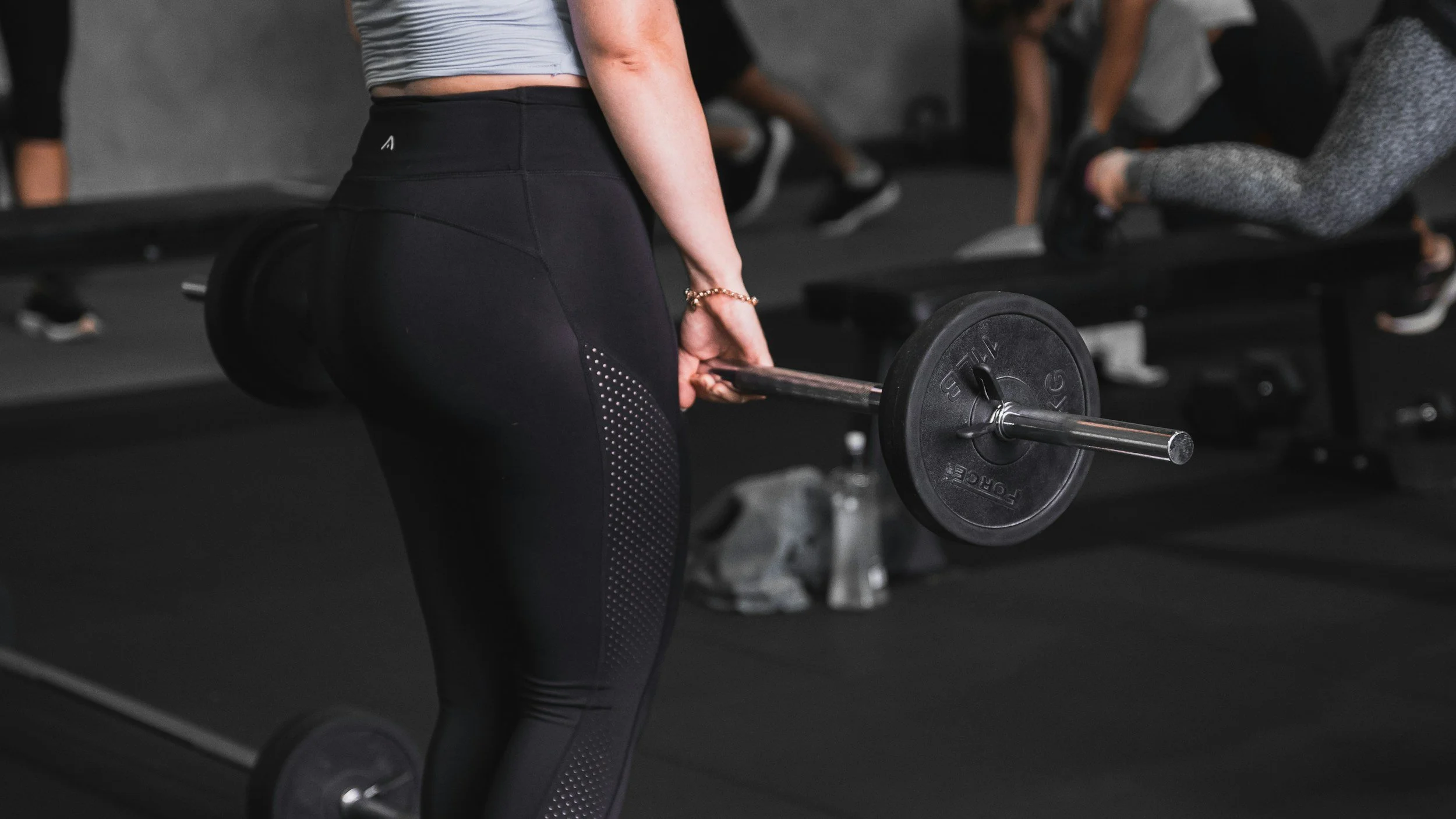
And honestly, I get where this comes from. For years, women have been told to be careful as they age. Don’t lift too heavy. Don’t push too hard. Walk more. Stretch more. Do less. The problem is, that advice sounds protective on the surface, but it actually creates a much bigger issue long term.
Because the real risk as we age isn’t lifting weights. The real risk is not building and maintaining muscle.
Where this belief comes from
Most women didn’t grow up learning how to strength train properly. Weight rooms were intimidating. Coaching was limited. And once you hit midlife, the messaging shifts even more toward caution.
So when someone says, “It’s risky to lift heavy in your 50s,” it sounds logical. Of course you don’t want to get injured. Of course you want to protect your joints. Of course you want to feel safe.
But here’s what often gets missed in that conversation: muscle is what does the protecting.
When you avoid resistance training, or stick only to very light weights forever, you don’t stay safe. You slowly lose strength, stability, and confidence in your body. Balance becomes harder. Daily tasks feel heavier. Joints feel less supported, not more.
Doing nothing isn’t neutral. It’s a choice, and over time, it’s the riskier one.
This is where things get misunderstood.
Lifting heavy does not mean maxing out.
It does not mean lifting recklessly.
It does not mean training like you’re 25 or chasing numbers for ego.
When I talk about lifting heavy, I mean lifting weights that are appropriately challenging for you.
That might look like learning how to squat properly with a dumbbell before ever touching a barbell. It might mean starting with bodyweight, then gradually adding load as your strength improves. It might mean working in a rep range where the last few reps feel tough, but controlled.
Heavy is relative. And it changes as you get stronger.
This is why starting with the basics matters so much. Learning how to hinge, squat, push, pull, and carry with good form sets the foundation. Once those movements feel solid, progressive overload comes naturally. You add a little weight. You add a rep. You get stronger over time.
There’s nothing extreme about that. It’s actually very practical.
Why muscle matters more as we age
As we get older, we naturally lose muscle if we don’t actively work to keep it. That’s not a scare tactic. It’s just reality.
Muscle helps support your joints. It protects your bones. It improves balance and coordination. And it makes everyday life easier.
Carrying groceries, getting up off the floor, climbing stairs, or just feeling steady on your feet all depend on strength. When you train for strength, you’re not just training for the gym. You’re training for real life.
This is also why strength training and nutrition go hand in hand. Building muscle isn’t just about lifting weights. It’s also about giving your body what it needs to support that work. I talk more about this in detail in my blog on protein and muscle after 40, because lifting weights without supporting your body properly is only doing half the job.
This is why I often say lifting weights isn’t optional as we age. It’s foundational.
“But isn’t it dangerous to start now?”
This is usually the moment where women hesitate the most. And again, I understand it.
Starting anything new can feel risky. Especially if you’ve been inactive for a while or had past injuries. But starting smart is very different from jumping in blindly.
When strength training is done properly, with good coaching, appropriate progression, and realistic expectations, it’s one of the safest forms of exercise you can do.
Most injuries don’t happen because someone is lifting weights. They happen because people rush, skip the basics, follow random workouts online, or don’t know how to adjust movements for their body.
That’s where guidance matters. Having someone teach you how to move well, help you choose the right starting point, and progress you at the right pace makes all the difference. You don’t need perfection. You need direction.
You don’t need to rush
Another thing I want to be very clear about: there is no deadline here.
You don’t need to “catch up.”
You don’t need to lift heavy right away.
You don’t need to do everything at once.
Strength is built over time. Slowly. Consistently. With patience.
Some weeks will feel great. Some weeks will feel harder. That’s normal. Progress isn’t linear, especially in midlife. Hormones, sleep, stress, and recovery all play a role. That doesn’t mean it’s not working. It just means you’re human.
The goal isn’t to prove anything. The goal is to build a body that feels strong, capable, and supported for the long haul.
Final thought
If you’ve been on the fence about strength training because you’re worried it’s “too late” or “too risky,” I want you to hear this clearly:
It’s not too late. You’re not behind. And starting properly is one of the smartest things you can do for your body right now.
You don’t need extremes. You don’t need to rush. You just need a solid foundation and a plan that respects where you are today.
Strong doesn’t have an age limit. It just needs the right approach.
If you want guidance, structure, and a plan that actually makes sense for your body right now, you can apply for coaching below.
We’ll start with the basics, move at the right pace, and build strength safely and confidently.